
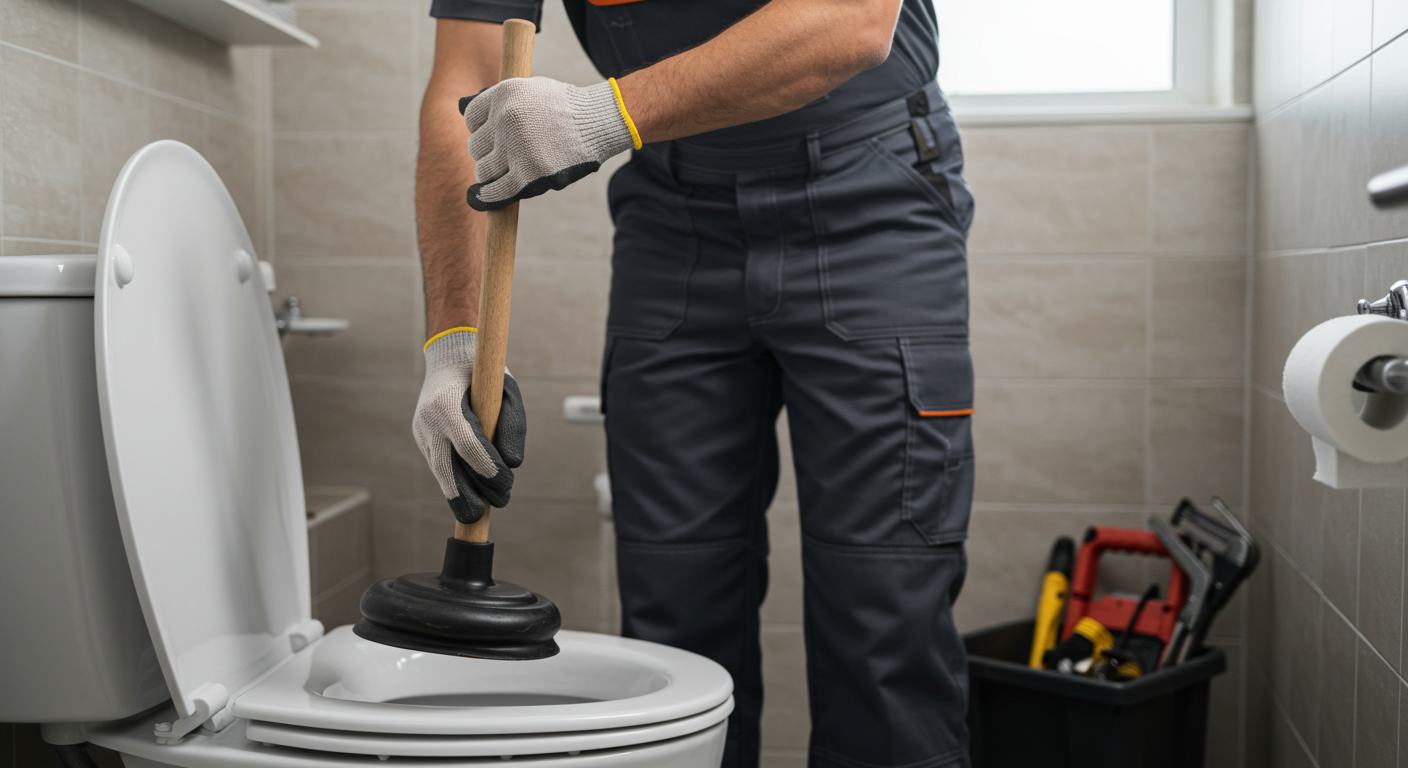
A malfunctioning toilet can be frustrating and inconvenient, especially if it leads to wasted water or potential damage to your home. Proper plumbing fixture installation is essential to prevent common toilet issues and ensure efficient operation. While some toilet problems can be resolved with simple fixes, others may require professional plumbing fixture installation services to guarantee a reliable and leak-free solution.
If you’re experiencing toilet troubles in Bainbridge Island, WA, Swift Plumbing & Heating is here to help. Below are some common toilet problems and how to address them safely.
What Is a Plumbing Fixture?
A plumbing fixture is any device connected to a plumbing system that uses water or removes wastewater. Common examples include toilets, sinks, faucets, showers, bathtubs, and laundry tubs. These fixtures are connected to water supply lines, drain pipes, or both, allowing clean water to enter the home and wastewater to flow out safely.
Plumbing fixtures serve both functional and aesthetic purposes in homes and businesses. They provide essential water access for daily tasks like washing and sanitation while contributing to the overall style of a space. When choosing fixtures, factors such as water efficiency, durability, material quality, and compatibility with existing plumbing are important.
If you’re experiencing toilet troubles in Bainbridge Island, WA, Swift Plumbing & Heating is here to help with expert plumbing fixture installation and repair. Below are some common toilet problems and how to address them safely, ensuring your fixtures function optimally and comply with local plumbing codes.
Toilet Won’t Stop Running
A continuously running toilet can waste hundreds of gallons of water per day and increase your water bill.
Common causes include:
- Faulty flapper valve that doesn’t seal properly.
- Fill valve issues causing constant refilling.
- High float level, leading to excessive water filling.
How to fix it:
- Check the flapper valve for wear and replace it if necessary.
- Adjust the float level to prevent excessive water filling.
- If the problem persists, contact a professional plumber to diagnose and fix the issue.
Always turn off the water supply before starting any repair to avoid flooding. Use plumber’s tape on threaded connections and an adjustable wrench to tighten fittings carefully. If replacing the toilet bowl, install a new wax ring and ensure the closet flange is secure for a watertight seal.
Weak or Partial Flush
If your toilet has a weak or partial flush, it may be caused by clogged rim holes, a low water level in the tank, or a flapper that is not sealing properly.
How to fix it:
- Check the water level in the tank and adjust the fill valve if needed.
- Use a thin wire or brush to clear mineral buildup from the flush holes.
- Replace the flapper if it’s not sealing properly.
When performing these repairs or installing a new plumbing fixture like a toilet, ensure you use the correct materials such as plumber’s putty or teflon tape to prevent persistent leaks. Also, carefully lift the toilet to avoid damaging the wax seal or old wax ring, and hand tighten all supply lines and mounting hardware to secure the fixture properly. Using the right tools, including a basin wrench, can make the job easier and help comply with local plumbing codes.
Clogged Toilet
A clogged toilet is a common problem that is often caused by excessive toilet paper, non-flushable items, or buildup in the pipes.
How to fix it:
- Use a plunger to create suction and dislodge the clog
- Try a plumbing auger if plunging does not work. When performing plumbing fixture installation or repairs, having the following tools on hand can make the process smoother.
- If clogs happen frequently, a professional drain cleaning service may be needed to remove deeper blockages, ensuring your plumbing fixture installation remains effective and leak-free.
Leaking Toilet Base
Water pooling around the base of your toilet may indicate a worn-out wax ring or loose bolts.
How to fix it:
- Tighten the bolts securing the toilet to the floor and check whether the leak continues.
- If the problem persists, the old plumber’s putty or wax ring may need to be replaced with a new one to ensure a proper seal.
- During plumbing fixture installation, applying a small bead of sealant and carefully tightening bolts while slowly turning them can prevent leaks and damage.
- Professional assistance is recommended to ensure a watertight seal and prevent further leaks.
Toilet Tank Fills Slowly
A slow-filling toilet tank can be caused by low water pressure, a clogged inlet valve, or a faulty fill valve.
How to fix it:
- Check that the water supply valve is fully open
- Clean or replace the fill valve if it is clogged with debris
- Consult a plumber if low water pressure may be related to pipe blockages or municipal water supply issues.
Proper plumbing fixture installation and maintenance can help prevent these problems and ensure your toilet functions efficiently.
Phantom Flushing (Toilet Flushes on Its Own)
If your toilet flushes unexpectedly, it may be caused by a leaky flapper or a defective fill valve.
How to fix it:
- Carefully inspect and replace the flapper if it shows signs of wear.
- Check the fill valve for slow leaks, replacing it if necessary.
- Persistent issues like these often indicate the need for professional plumbing fixture installation to ensure all components are correctly fitted and functioning properly, preventing further plumbing problems and water waste.
Cracked Toilet Tank or Bowl
A cracked toilet can lead to leaks and water damage, making it essential to address promptly.
How to fix it:
- Minor cracks may be temporarily sealed with waterproof epoxy
- Significant damage usually requires a full toilet replacement to ensure long-lasting reliability.
- For professional plumbing fixture installation, including expert toilet installation services, trust Swift Plumbing & Heating to deliver a proper, leak-free fit that complies with local codes and guarantees optimal performance.
When to Call a Professional Plumber
While some toilet issues can be fixed with DIY methods, some repairs to toilets, including a simple replacement of old fixtures or installing new fixtures such as sinks or a shower, call for professional installation. While many homeowners can handle basic tasks, the installation process for complex fixtures often raises labor costs, so consulting plumbers helps ensure compliance with the 2021 Washington State Plumbing Code in Bainbridge Island, WA. Contact a professional if:
- Your toilet is leaking and causing water damage, requiring immediate attention to prevent costly repairs.
- You experience frequent clogs despite proper use, indicating potential issues with your plumbing fixture installation.
- The flush mechanism doesn’t work properly after multiple repairs, suggesting a need for professional plumbing fixture installation.
- You notice a sudden increase in your water bill due to a running toilet, often caused by faulty fixture components.
- In Washington, any plumbing work requiring a permit must be performed by a licensed plumbing contractor to ensure compliance with local codes.
- In Bainbridge Island, WA, a permit is required for installing new toilets, sinks, showers, or bathtubs, emphasizing the importance of proper plumbing fixture installation.
- Check local reviews when choosing homeowners’ fixture-work professionals in Bainbridge Island, WA to guarantee quality and reliable service.
- Always ask for a flat-rate price for standard fixture swaps to avoid unexpected costs during plumbing fixture installation.
Preventative Maintenance Tips
Avoid costly toilet repairs by following these maintenance steps, and keep in mind that plumbing fixture installation often follows the same rule: many homeowners can handle a simple replacement with the right tools and other common tools, but more complex work may call for specialized tools, careful setup, and the manufacturer’s instructions. A plumber is often the safer choice when labor costs rise because code issues, an old toilet or old faucet, and limited access in tight spaces can make it harder to disconnect parts, manage remaining water or residual water, and prevent leaks around threaded connections, fittings, and shut off valves.
- Inspect the flapper and fill valve regularly for wear and leaks.
- Never flush non-flushable items such as wipes, paper towels, or feminine hygiene products.
- Use a toilet-friendly cleaner to prevent mineral buildup in flush holes.
- Schedule regular plumbing checkups with a professional to catch issues early.
- Fixture work can include sinks, showers, faucet replacements, and toilets.
- Example labor ranges include $150 to $350 for installing a new faucet or a basic kitchen faucet, $200 to $500 for a new toilet, and $1,000 to $5,000 for shower or bathtub work such as a tub spout upgrade; permitting can add $50 to $200, and disposing of old fixtures may add $50 to $150 each.
Preventing Toilet Problems with Proper Installation
Toilet issues can range from minor inconveniences to major plumbing emergencies, but knowing how to identify and fix common problems can save time and money. Proper plumbing fixture installation plays a key role in preventing many of these issues. Using the right materials, such as plumber’s putty, silicone caulk, and new wax rings, helps create a watertight seal, while correctly connecting water supply lines can prevent leaks and water damage. During installation or repair, it is important to slowly turn the water supply back on, test all connections for leaks, and avoid overtightening any screw or bolts to prevent cracking porcelain or stripping threads.
FAQs About Toilet Repairs
Why does my toilet keep running after I flush?
A worn-out flapper or improperly adjusted float can cause a running toilet. Replacing the flapper or adjusting the float level should resolve the issue.
Can I use chemical drain cleaners for toilet clogs?
It’s not recommended. Harsh chemicals can damage your pipes and may not effectively clear deep clogs. A plunger or plumbing auger is a safer solution.
How long does a toilet last before needing replacement?
Most toilets last 20 to 30 years, but frequent repairs or cracks may indicate it’s time for an upgrade.
What’s the best way to prevent toilet clogs?
- Only flush toilet paper and human waste.
- Use a moderate amount of toilet paper per flush.
- Keep a trash bin nearby for non-flushable items.
Conclusion
Upgrading to water-efficient fixtures can reduce water usage by up to 30%, lower utility bills, and benefit the environment. Modern toilets often include features such as dual-flush options and improved flushing mechanisms for better performance and efficiency. However, some toilet repairs and installations require professional expertise, especially when dealing with complex plumbing systems or local building codes.
If you need toilet repair services in Bainbridge Island, WA, trust Swift Plumbing & Heating for expert solutions. Contact us today for professional plumbing assistance!