
When you step into the shower and find nothing but cold tap water flowing from your faucet, it’s clear something’s not right with your water heater. But even before total failure hits, there are signs that your current unit may be costing you more than it’s worth. At Swift Plumbing & Heating, we help homeowners make smart, energy-efficient decisions about water heaters every day.
What are the signs you need water heater maintenance?
- Hot water runs out fast or temperature swings during use
- Hot water looks rusty or discolored, or has a metallic smell
- Popping, banging, or rumbling sounds from the tank
- Water pooling or moisture around the base of the unit
- Energy bills rising with no change in hot water use
- The unit is around 8–10+ years old and symptoms are starting to show up
We’ll cover how to recognize when your water heater is on its last legs, explore the advantages of newer, energy-efficient models, and explain why more homeowners than ever are switching to tankless water heaters.
Understanding Your Water Heater
A water heater is an essential appliance in every household, providing the hot water you rely on for showers, cleaning, and cooking. Whether you have a gas water heater, electric water heater, or a modern tankless water heater, each type plays a vital role in your daily comfort. However, to keep your hot water flowing efficiently and avoid unexpected breakdowns, regular water heater maintenance is crucial. Routine heater maintenance helps prevent common issues like sediment buildup, tank corrosion, and leaks, all of which can shorten your water heater’s lifespan. By understanding the basics of your water heater and following a water heater maintenance checklist, you can extend the life of your unit, maintain energy efficiency, and ensure your household always has access to reliable hot water.
Water Heater Components
To keep your water heater in top shape, it’s important to know the key components that make it work. The water heater tank is the main reservoir where water is stored and heated. Inside, the heating element (or burner in gas models) is responsible for raising the water temperature, while the thermostat allows you to control how hot your water gets. The pressure relief valve is a critical safety feature that releases excess pressure to prevent dangerous build-up. For maintenance, the drain valve at the bottom of the tank lets you flush out sediment that can accumulate over time. Don’t overlook the anode rod—a sacrificial rod inside the tank that attracts corrosive elements, protecting the tank from rust and corrosion. Regularly inspecting and maintaining these components, especially the anode rod and relief valve, is key to preventing leaks, maintaining efficiency, and extending the life of your water heater.
Safety Features
Safety is a top priority when it comes to water heater operation. One of the most important safety features is the pressure relief valve, which automatically releases excess pressure if it builds up inside the tank. This relief valve is essential for preventing dangerous situations, such as tank ruptures or explosions. To ensure your water heater remains in good working condition, it’s recommended to test the temperature and pressure relief valve at least once a year. Additionally, always make sure your water heater is installed in a well-ventilated area and keep the surrounding space free from flammable materials. Following the manufacturer’s guidelines for installation, maintenance, and repairs will help keep your water heater operating safely and efficiently for years to come.
Signs You Need a Water Heater Upgrade (Before It Fails)
Most water heaters don’t stop working all at once—they give off warnings that trouble is coming. Being able to identify these signs early can help you avoid emergency repairs and water damage. Inadequate water pressure can also be a sign of maintenance neglect.
Inconsistent Hot Water
Do you run out of hot water more quickly than you used to? Or is the temperature suddenly fluctuating mid-shower? These symptoms often point to sediment buildup or a failing heating element.
Rusty or Discolored Water
If your hot water has a rusty tint or metallic smell, it could be a sign the inside of the tank is corroding—especially if your unit is over 8–10 years old.
Strange Noises
Popping, banging, or rumbling sounds usually indicate sediment buildup at the bottom of the tank. As sediment hardens, it forces your system to work harder and less efficiently.
Leaks Around the Base
A puddle near the water heater base is never a good sign. Even a small leak can signal internal damage or a failing tank, and should be inspected immediately.
High Energy Bills
Older water heaters are less efficient by nature. If your energy bills are creeping up despite normal usage, your aging water heater may be the culprit.
If you’re experiencing any of these issues, it’s time to consider a replacement—especially if your water heater is approaching or past the 10-year mark.
Troubleshooting
Even with regular maintenance, water heaters can sometimes develop issues that need attention. If you notice a drop in water temperature, inconsistent hot water, or strange noises coming from your unit, these could be signs of sediment buildup or a failing heating element. Leaks around the base of the water heater or from the discharge pipe may indicate a problem with the pressure relief valve or tank corrosion. If your hot water has a rusty color or metallic taste, it could be time to check the anode rod or consider replacing the tank. For tankless water heaters, reduced water flow might mean the inlet filter needs cleaning. Always start troubleshooting by consulting your user manual and performing a visual inspection of all components, including checking for leaks, ensuring the thermostat is set correctly, and verifying that electrical connections or the pilot light are functioning. If you’re unable to resolve the issue with basic maintenance tasks, it’s best to call a professional to prevent further damage and ensure your hot water heater remains safe and efficient.
Benefits of Upgrading to an Energy-Efficient Water Heater (Savings, Comfort, Rebates)
Upgrading to an energy-efficient water heater isn’t just about avoiding breakdowns—it’s also about saving money and improving performance.
Lower Utility Bills
Modern water heaters are designed to use less energy to deliver the same (or better) performance. ENERGY STAR® rated models, in particular, are built for efficiency and long-term savings.
Better Insulation and Controls
Newer units come with improved insulation and more accurate temperature controls, which reduce heat loss and improve reliability.
Eco-Friendly Operation
Many newer water heaters reduce greenhouse gas emissions and water waste, making them better for your home and the environment.
At Swift Plumbing & Heating, we offer a range of high-efficiency tank and tankless water heaters to meet your home’s specific needs.
Tank vs. Tankless Water Heater: Which Is Right for Your Home?
One of the most popular upgrades we’re seeing in the industry today is the switch to tankless water heaters—and it’s easy to see why.
Tankless water heater maintenance is crucial for ensuring optimal performance and extending the lifespan of your unit. Manufacturers recommend flushing and descaling tankless water heaters annually to prevent mineral scale buildup and maintain efficiency. Many tankless water heaters require descaling to keep them running efficiently. The process typically involves attaching a pump and a garden hose or hose to the service valves to circulate a cleaning solution, such as vinegar, through the unit. This flushing procedure helps remove mineral buildup on the burner and other components, ensuring your tankless water heater continues to operate effectively.
Endless Hot Water
Tankless models heat water on demand, which means no more running out during back-to-back showers or laundry cycles.
Space Savings
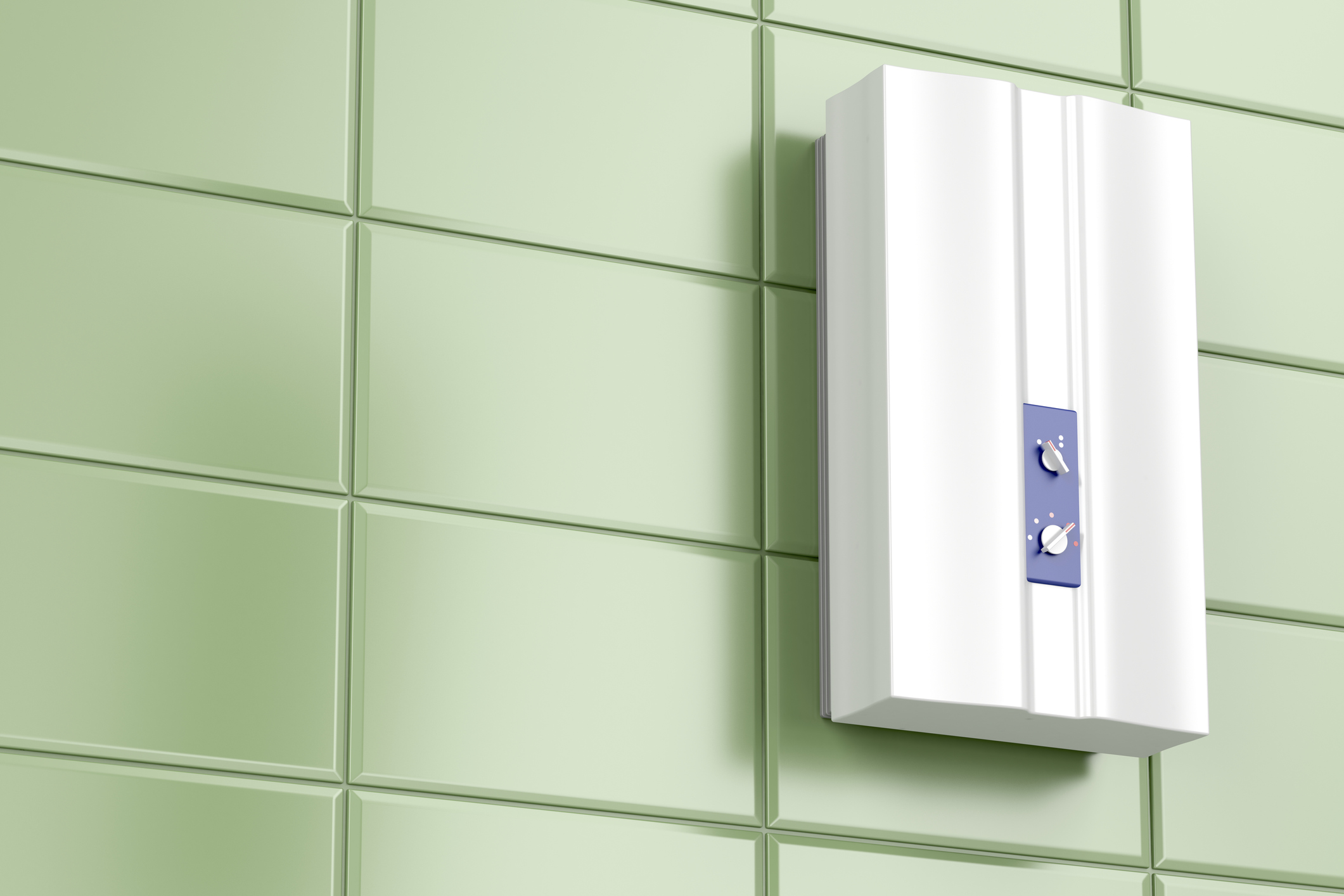
Tankless systems are compact and wall-mounted, freeing up valuable floor space in your utility room or basement.
Energy Efficiency
Since tankless units don’t maintain a reservoir of hot water, they only use energy when hot water is needed—resulting in lower monthly bills.
Longer Lifespan
While traditional tank models typically last 8–12 years, tankless systems can last 15–20 years with proper maintenance.
While the upfront cost of a tankless system can be higher, the long-term savings and performance often make it well worth the investment.
Don’t wait for a cold shower to tell you it’s time. Contact Swift Plumbing & Heating today for a consultation and discover the benefits of upgrading your water heater the smart way. Visit our website for current promotions.
Water Heater Maintenance Checklist & Tips
Proper water heater maintenance is the responsibility of the property owner and is crucial for safety, efficiency, and extending your water heater’s lifespan. Regular upkeep helps prevent common issues like corrosion, sediment buildup, leaks, and premature failure, saving you money and improving the appliance’s longevity.
1. Annual Flushing:
Manufacturers unanimously recommend flushing your hot water heater at least once per year to remove sediment buildup and prevent corrosion. If you live in a hard water area, you may need to flush more often due to higher mineral concentrations in your water supply.
- To flush a tank water heater (gas or electric), turn off the gas or electricity and the cold-water supply to the tank.
- Attach a hose to the water drain valve and place a bucket underneath to catch water and sediment.
- Open a hot water tap in your home to help drain the tank and allow several gallons of water to flow out, which helps remove sediment buildup.
- Always refer to your manufacturer’s handbook for specific instructions for your model.
2. Airflow and Debris:
Inspect and clean air intakes, vents, and flues to ensure proper airflow around the water heater. Remove any debris from around the unit to promote efficient operation and safety.
3. Temperature & Pressure (T&P) Relief Valve:
Test the T&P relief valve annually by lifting the lever and catching any discharge in a bucket. This valve is a critical safety mechanism that prevents the water heater from exploding due to excessive pressure buildup. Testing ensures it operates properly.
4. Anode Rod Inspection:
Inspect the anode rod every 3–4 years and replace it as needed. The anode rod attracts impurities and protects the tank from corrosion, helping to extend the water heater’s lifespan.
5. Visual Inspections:
Periodically check for leaks, rust, and other issues around the water heater. Early detection can prevent major failures.
6. Gas Heaters:
For gas heaters, note that they typically have a single thermostat and require specific testing procedures. Always follow the manufacturer’s recommendations.
7. Power and Electricity:
Always turn off the power (electricity) or gas supply before performing any maintenance to ensure safety and prevent damage to the unit.
8. Maintenance Schedule:
Create a maintenance schedule to ensure all critical tasks—like flushing, valve testing, and inspections—are performed regularly and nothing is overlooked.
9. Water Supply:
Maintaining a clean water supply and managing mineral deposits is important for efficiency and longevity. Regular flushing helps protect your water supply system and keeps your water heater running smoothly.
Regular water heater maintenance may not be a fun activity, but it keeps all vital parts working correctly, reduces the risk of breakdowns, and can help you save money while improving your water heater’s lifespan.
Final Thoughts on Water Heater Maintenance
Regular water heater maintenance is the key to reliable hot water, lower energy bills, and a longer-lasting appliance. By understanding your water heater’s components, performing preventative maintenance, and addressing issues promptly, you can avoid costly repairs and extend your water heater’s lifespan. Whether you have a traditional tank model or a tankless water heater, following a maintenance schedule and using a comprehensive water heater maintenance checklist will keep your system running smoothly. For major repairs or upgrades, don’t hesitate to consult a professional—protecting your investment and ensuring your household always has access to safe, efficient hot water.
Frequently Asked Questions
Question: How do I choose the right size water heater for my household?
Answer: Start with your peak usage, how many people live in the home, and how often hot water runs at the same time. A unit that is too small causes cold stretches, while an oversized one wastes energy. A plumber can compare your usage patterns to the best-fit capacity or flow rate.
Question: What should I check before switching from a tank to a tankless water heater?
Answer: Confirm your fuel source and whether your gas line, electrical supply, and venting can support the new system. Tankless units can require upgrades to meet demand safely and reliably. Also consider where the unit will mount and whether your water quality calls for added filtration or softening.
Question: Do I need a permit to replace or upgrade a water heater?
Answer: Many areas require permits or inspections, especially if you change fuel type, move the unit, or alter venting, electrical, or gas connections. Even a like-for-like swap may have local rules. A licensed installer typically handles permitting so the work stays code-compliant and documented.
Question: How can I plan an upgrade to avoid losing hot water for long?
Answer: Choose the new unit ahead of time, confirm parts availability, and schedule installation when your household demand is lower. Clear access to the heater, note shutoff locations, and discuss disposal of the old unit. If you are switching types, ask what extra work might extend the appointment.
Question: What maintenance should I expect after installing a newer water heater?
Answer: Even efficient models need upkeep to stay efficient and last longer. Tank systems often benefit from periodic flushing to reduce sediment, while tankless units may need descaling depending on mineral levels. Regular checks help prevent performance drops, temperature issues, and unexpected leaks.
Contact Swift Plumbing & Heating today for… Pride & Professionalism!